Lavaux — the terraced vineyards above Lake Geneva
Eight centuries of dry-stone terracing on the steep north shore of Lake Geneva, UNESCO-listed since 2007, and a foot route that traverses thirty kilometres of working vineyard between Lutry and Chillon.
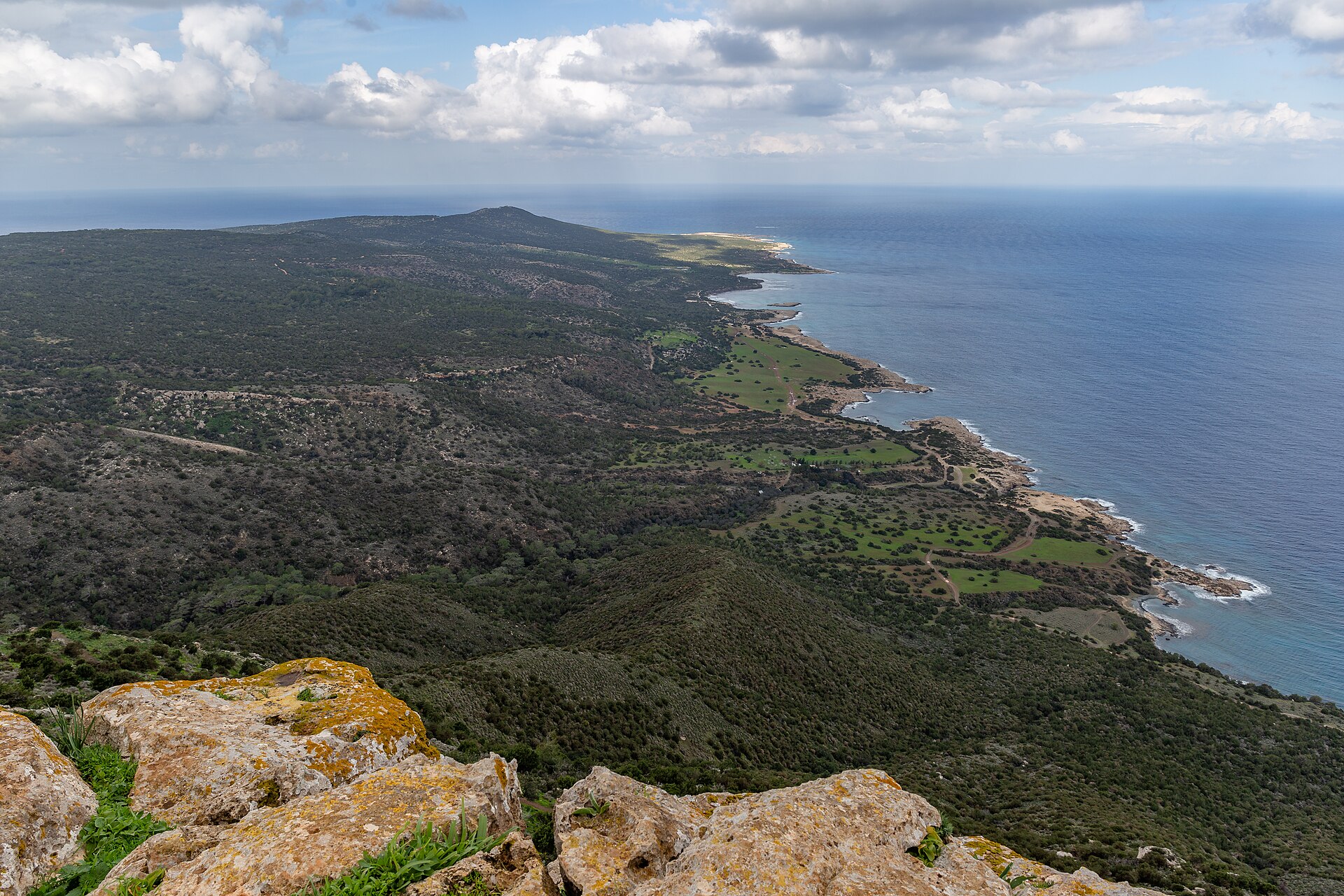
The Lavaux is a thirty-kilometre band of terraced vineyards on the north shore of Lake Geneva between Lausanne and Montreux. The terraces ascend from the lake (372 m) to approximately 700 m on the lower slopes of Mont Pèlerin, supported by an estimated 400 km of cumulative dry-stone retaining walls. The system was inscribed on the UNESCO World Heritage list in 2007 as a "cultural landscape" — that is, a landscape whose principal heritage value is the cumulative agricultural intervention of approximately eight centuries of viticulture.
The history, briefly
The terraces were begun in the late eleventh century by Cistercian monks of the Abbey of Hautcrêt (founded 1141), who held substantial vineyard plots along the lake. Subsequent terracing campaigns continued under the Bishopric of Lausanne (twelfth to fifteenth centuries), the Bernese administration (1536–1798), and the canton of Vaud (1803 onwards). The principal extension of the terraced area occurred between 1540 and 1660; the system has been substantially stable since the mid-seventeenth century.
The walls are constructed of local Molasse sandstone — a soft, easily worked stone quarried from the same hillside on which the terraces stand. Wall heights range from 0.8 metres to approximately 12 metres at the most extreme cases (in the Dézaley sector). Annual wall maintenance is approximately 800 metres of total linear repair, carried out by specialist masons under the supervision of the canton of Vaud's heritage office.
The grape and the wine
The principal grape variety is the white Chasselas (locally called Fendant in Valais and Gutedel in German-speaking cantons), grown on approximately 80% of Lavaux's 800 cultivated hectares. The remaining 20% is split between Pinot Noir (the principal red), Gamay, Gamaret, Garanoir, and a small experimental section of Chardonnay and Sauvignon. The Chasselas wines are dry, low-alcohol (typically 11.5–12.5% ABV), and read with the saltiness of the limestone soil and the warmth of the south-facing terraces — what Vaudois winemakers call the trois soleils (three suns: direct sun, reflected sun from the lake, and stored sun from the south-facing stone walls).
Most Lavaux production is consumed within the canton; export quantities outside Switzerland are negligible. The visitor who wants to read the wine should plan to taste it on site.
The principal sub-regions
- Dézaley. The premier terraced sector — Grand Cru classification since 1994 — between Rivaz and Epesses. Steepest terraces (gradient up to 100% in places), the most concentrated Chasselas, and the most reputable producers (Domaine Louis Bovard, Pierre-Luc Leyvraz, Massy).
- Calamin. The second Grand Cru sector — a small 16-hectare enclave at the eastern edge of Epesses. Lighter, more floral Chasselas; production limited.
- Saint-Saphorin. The eastern village sector, named after its tenth-century parish church. Mineral, structured Chasselas from limestone-rich soils.
- Epesses. The central sector; the largest producer cooperative (Cave Cidis) is here, and most of the visitor wineries face the village square.
- Villette, Cully, Lutry. The western sectors, with shorter terraces and gentler gradient, easier for visitors with limited mobility.
The foot route — Lutry to Saint-Saphorin
The principal walking route is 11 km long with approximately 200 m of total ascent. The way-marked path (yellow diamond, route 36 in the SchweizMobil system) follows the high terrace path that connects the principal villages. Allow four to five hours including stops.
Route segments
- Lutry → Villette (2.5 km, 80 m ascent). The route ascends from Lutry station through the lower terraces; the lake view opens at km 1.2. Vines on both sides.
- Villette → Cully (1.8 km). The middle-terrace path traverses through working vineyards; small wineries open for visitors are signposted with yellow placards.
- Cully → Riex → Epesses (2.2 km). The path passes the Cully marina and ascends to the Riex viewpoint, then descends to Epesses square. The substantial Domaine Louis Bovard cellar door is in Epesses.
- Epesses → Dézaley → Rivaz (3.0 km). The steepest section, traversing the Grand Cru Dézaley. The Tour de Marsens (twelfth-century watchtower) is at the high point; the view from the tower is the principal Lavaux photograph.
- Rivaz → Saint-Saphorin (1.5 km). Descent to the Lavaux Vinorama interpretation centre at Rivaz, then a short final section to the medieval village of Saint-Saphorin and its station.
The Lavaux Vinorama
The Lavaux Vinorama at Rivaz is the only major interpretation centre in the region. It is a small modern wine-tasting facility (capacity 80) that offers a daily-changing selection of 280 Lavaux wines from approximately 100 producers; the format is small-tasting flights (3 wines, CHF 12; 5 wines, CHF 18). Open daily 10:30–20:00 (May–October), reduced hours Nov–April. No reservations needed for individual visits.
The Lavaux is a long agricultural sentence written in stone. Eight centuries of dry-stone wall, half a million working terraces, eight hundred hectares of Chasselas. Walk it; do not drive past.
Last walk: September 2025, full Lutry-Saint-Saphorin route in harvest week.