Kunsthaus Zürich — the Chipperfield extension and the city's principal collection
Switzerland's largest art museum, the David Chipperfield extension opened in 2021 that doubled its floor area, and the principal threads of a collection that runs from medieval altarpieces to contemporary video installation.
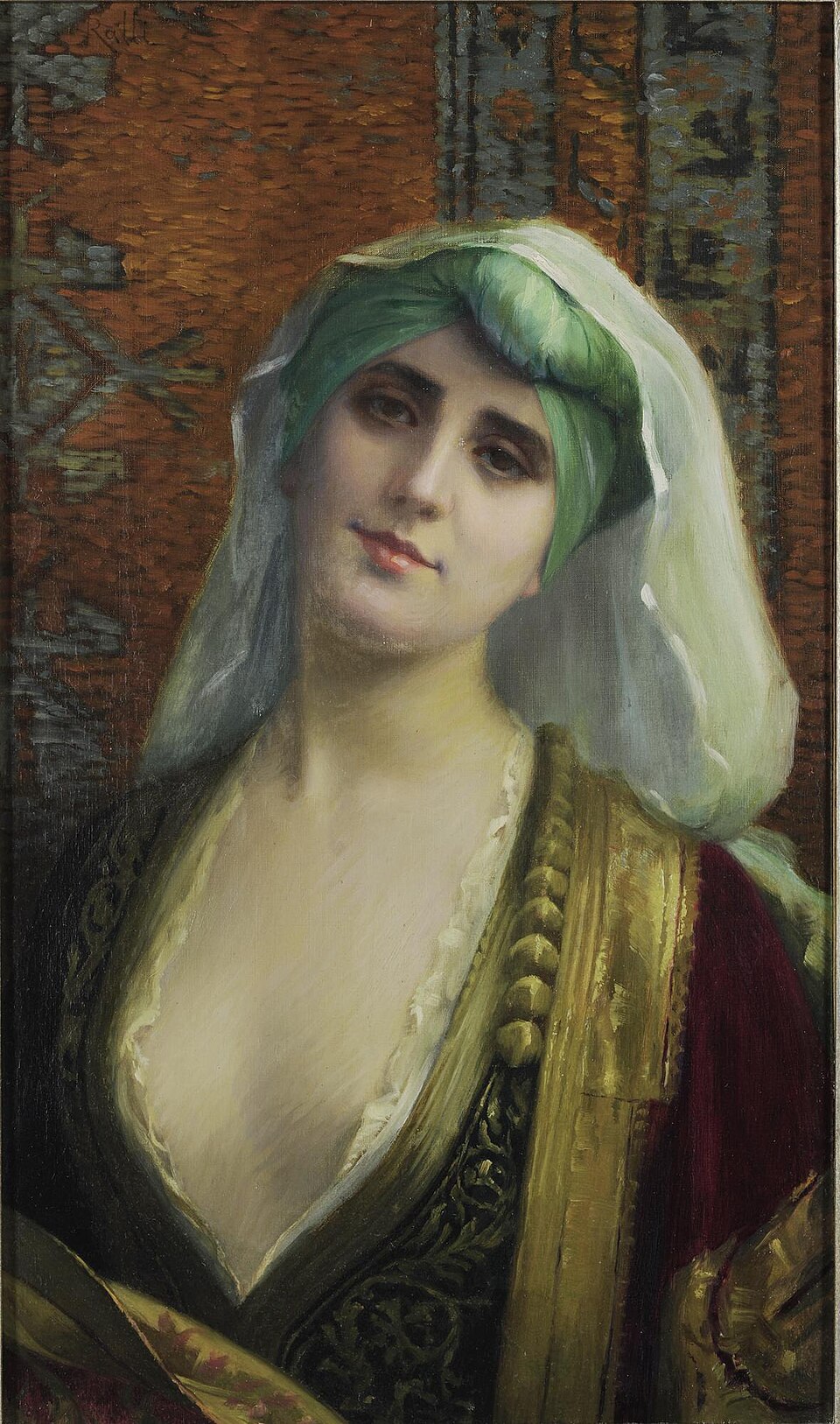
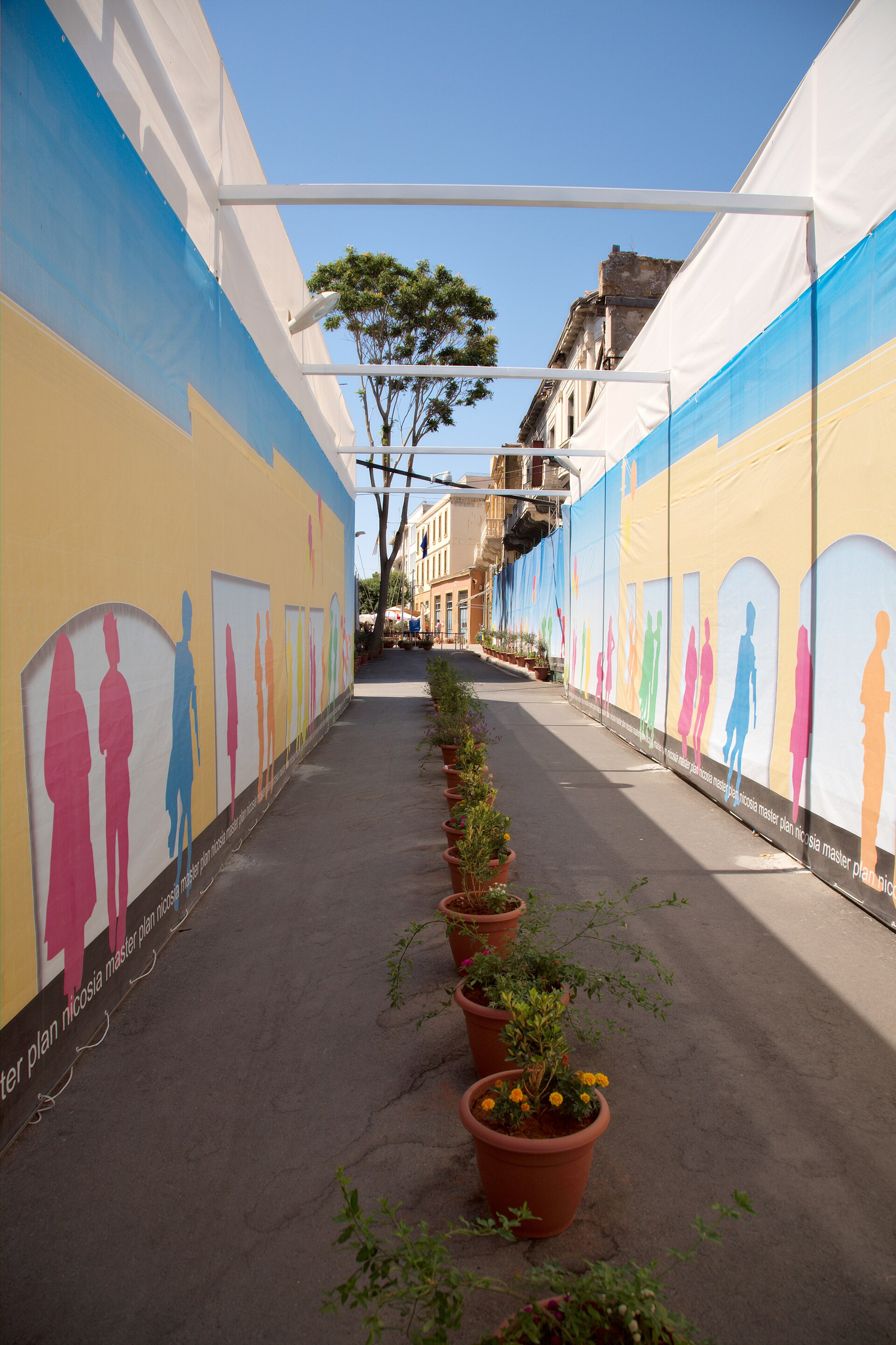
The Kunsthaus Zürich is the largest art museum in Switzerland by collection size and, since the 2021 opening of David Chipperfield's extension across Heimplatz, the second-largest in floor area after the Museum Tinguely in Basel (by combined exhibition surface, Kunsthaus ranks first). The institution traces its origin to the 1787 Zürich Künstlergesellschaft — the city's artists' association — and the present main building was opened in 1910 to designs by Karl Moser. Subsequent extensions in 1925 (Otto Moser), 1958 (Pfister brothers), and 1976 (Erwin Müller) progressively expanded the institution; the 2021 Chipperfield extension is the most recent and the largest.
The buildings
The Kunsthaus now occupies two buildings on either side of Heimplatz, connected by an underground passage.
The Moser building (1910, with extensions)
The original Karl Moser building is a classical neo-Renaissance pavilion of three storeys, with a central rotunda and symmetric exhibition wings. The Moser facade is rendered in pale Solnhofen limestone and is one of the surviving early-twentieth-century museum facades in the German-speaking world. The interior was modernised between 2002 and 2005 (lighting, climate, vertical circulation) without alteration to the historic envelope.
The Chipperfield extension (2021)
David Chipperfield Architects won the 2008 international competition for the extension; construction began in 2015 and the new building opened to the public on 9 October 2021. The extension is an austere cubic volume of approximately 25 metres in height, clad externally in pale Jurassic limestone from the canton of Solothurn (the same geological formation as the Moser facade). Internally the building is organised around a top-lit central atrium of nine metres in height, with exhibition galleries arranged on three floors around it.
The extension added 13,000 m² of new floor area and doubled the museum's exhibition capacity. Construction cost CHF 206 million, funded by the canton of Zürich (CHF 88 million), the city of Zürich (CHF 30 million), and private donations (CHF 88 million). The architecture has been received with general critical approval; the Stiftung für die Kunst der Schweiz awarded the building its 2022 architecture prize.
The principal collection threads
The collection numbers approximately 200,000 works. Four threads carry the principal weight.
Thread 1 — Pre-modern Swiss art
The institutional core: Swiss painting from the late medieval Konrad Witz altarpiece (c. 1444) through Albrecht Anker's nineteenth-century rural genre scenes and the symbolist landscapes of Arnold Böcklin and Ferdinand Hodler. The Hodler holdings — approximately 100 paintings, including the principal versions of Der Auserwählte (1893) and Der Tag (1899) — are the largest in the world.
Thread 2 — French modernism
The strongest single concentration is the Bührle Collection — 633 works assembled by the industrialist Emil Bührle (1890–1956) and gifted on long-term loan in 2021. Key works include Cézanne's Garçon au gilet rouge (c. 1888), Manet's La Sultane (1871), Monet's Le Bassin aux nymphéas (1917), Renoir's La petite Irène (1880), and Van Gogh's Le semeur (1888). The Bührle holdings are housed in dedicated galleries on the second floor of the Chipperfield extension.
The Bührle gift is the subject of ongoing public debate concerning the provenance of certain works acquired between 1936 and 1945; the museum publishes its provenance research openly and individual contested works are clearly identified in the gallery labels.
Thread 3 — Twentieth-century Swiss
The Giacometti holdings — approximately 75 sculptures, paintings and drawings by Alberto Giacometti (1901–1966) — are the second-largest in the world after the Kunstmuseum Basel. The principal sculptures (the standing women, the walking men, the heads of Diego) are displayed in a dedicated suite on the first floor of the Moser building. The Dadaist material — Hans Arp, Sophie Taeuber-Arp, Marcel Janco — and the Zürich Dada archive complete the early twentieth-century holdings.
Thread 4 — Contemporary
The post-1960 collection includes substantial holdings of Pipilotti Rist, Roman Signer, Fischli/Weiss, and Urs Fischer, plus international holdings of Mark Rothko, Cy Twombly, Andy Warhol and Joseph Beuys. The Chipperfield extension's upper floor is dedicated to rotating contemporary installations.
A working visit
The institution recommends three hours for a first visit. The editor's working route: start at the Moser ground floor (Hodler and the nineteenth-century Swiss); ascend to the first floor (Giacometti and the early modernists); cross underground to the Chipperfield extension; ascend to the second floor (Bührle); end on the third floor (contemporary). Total walking distance approximately 1.4 km; total reading time three to four hours.
Hours, prices, access
- Hours. Tuesday–Sunday 10:00–18:00; Wednesday until 20:00; Monday closed.
- Entry. CHF 26 standard, CHF 19 reduced (students, seniors). Free with the Swiss Travel Pass and with the Zürich Card.
- Access. Both buildings are fully accessible with lifts to all levels. Wheelchairs available at the cloakroom.
- Reading recommendation. Tuesday afternoons are the quietest hour. Special-exhibition opening days are the busiest.
The Chipperfield extension does not compete with the Moser building. The two read as a paragraph — the older sentence followed by the newer one, distinct in voice, continuous in argument.
Last visit: February 2026, both buildings, four hours.